 While the desired weather of Autumn may still be of an ebb and flow nature here in Houston, the feeling of soups, roasted vegetables, and spiced baked goods is in full effect. It’s a moon day today, so I get the day off from my Ashtanga yoga practice, my teaching practice, and as much of my work as possible. On moon days, I like to visit with the sprouting fall veggies in the garden, snuggle with Marley, and bake.
On this moon day, I present to you Pumpkin-Stout Muffins. You can also make this in a 9-inch loaf, if that pleases you. I made mini-muffins (just shy of 4 doz minis) for easier sharing at the yoga studio tomorrow, but I think a loaf or full size muffins would behoove the bread or non-frosted teacake experience. Enjoy!
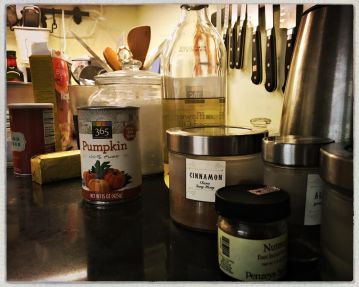
Pumpkin-Stout Bread
Mini cupcake liners [or coconut oil for greasing the pan if making a loaf]
1 3/4 C all-purpose flour
1 tsp baking powder
1/2 tsp baking soda
1/2 tsp salt
1 1/2 tsp ground cinnamon
1/2 tsp ground ginger
Pinch ground nutmeg
Pinch ground allspice
3 TBSP vegan butter
1 C pumpkin purée (not pumpkin pie filling)
1 C brown sugar
1 TBSP Ener-G Egg Replacer [Mixed in 4 TBSP warm water]
1 C stout beer*
1. Preheat oven to 350°F. Line mini muffin pans (or grease 9-inch loaf pan). Combine the flour, baking powder, baking soda, salt, cinnamon, ginger, nutmeg, and allspice in a large bowl.
2. Melt the butter in a medium saucepan over low heat. Remove from the heat. Stir in the pumpkin and brown sugar, then stir in the egg replacer mixture. Finally, stir in the stout*. Add the pumpkin mixture to the dry ingredients and stir just until combined. Transfer the batter to the lined mini muffin pan or greased loaf pan.
3. Bake until a toothpick inserted into the center of the loaf comes out clean, 14 minutes for mini muffins (about 1 hour for loaf). Cool thoroughly before serving.
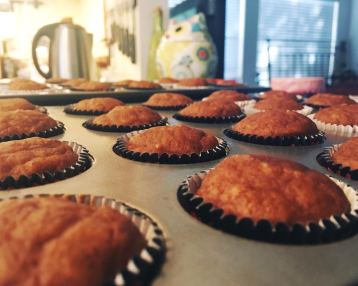
Leftover pumpkin bread can be wrapped in foil or plastic wrap and stored at room temperature for up to a few days.
*If choosing not to use beer, any vegan milk will suffice. I suspect black tea or earl grey might also be a nice experience.

Option: Pumpkin-Stout Cupcakes
Add a dollop of cinnamon-ginger frosting (or pumpkin spice frosting, if that tickles your fancy). I made a buttercream frosting with Glenlivet & Pumpkin Pie Spice blend to top these bite-size beauties.
1 C Earth Balance Vegan Butter
2 C sifted powdered sugar
3-4 tsp Glenlivet
2 tsp vanilla extract
2-3 pinches of Pumpkin Pie Spice blend







![[Valid RSS]](https://innocentprimate.files.wordpress.com/2009/06/valid-rss.png "Validate my RSS feed")


 The Innocent Primate Vegan Blog